Circular Economy: Rethinking Product Design Innovatively
Exploring Systematic Approaches to Sustainable Product Design
Circular Economy: Rethinking Product Design Innovatively
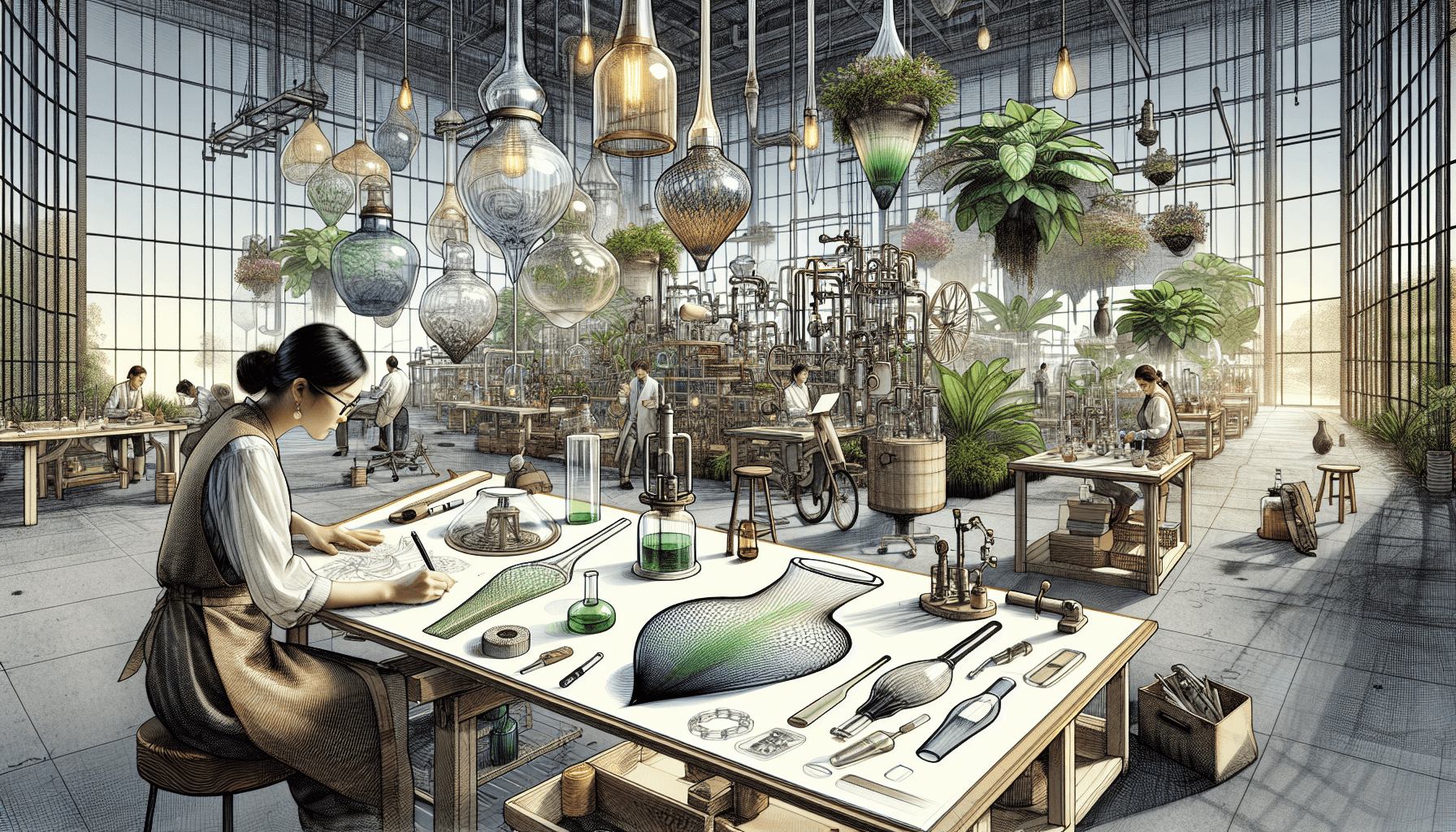
As the global community increasingly recognizes the importance of sustainable development, the circular economy has emerged as a paradigm shift in addressing environmental challenges. This approach prioritizes the creation of closed-loop systems, reducing waste and promoting sustainability. A notable case study that exemplifies this approach is the innovative work of the Finnish company, Pentik, known for its thoughtful redesign of glass products.
Historical Context and the Need for Change
In the past, the linear economy model dominated, characterized by a 'take, make, dispose' approach. Products were designed for limited use and then discarded, contributing to significant environmental degradation. However, the growing awareness of environmental issues and resource scarcity has necessitated a shift towards more sustainable practices.
Pentik, a well-established Finnish design company, recognized the environmental impact of traditional glass production and disposal. Inspired by the Finnish cultural ethos of sustainability, Pentik embarked on a mission to integrate circular economy principles into their product design.
The Thinking Process: Methodology and Innovation
Pentik's innovative journey began with a deep analysis of their existing product lifecycle. Understanding the environmental impact at each stage allowed them to systematically identify opportunities for redesign. The company's approach centered around several key steps:
- Material Assessment: Pentik prioritized understanding the properties and environmental impact of their materials. By conducting a thorough assessment, they identified that recycled glass could serve as a viable alternative to virgin materials, reducing both energy consumption and carbon emissions.
- Collaborative Design: Emphasizing collaboration, Pentik engaged with material scientists and designers to reimagine their products. This interdisciplinary approach fostered creativity and innovation, enabling the development of products that retained aesthetic appeal while adhering to sustainability principles.
- Process Optimization: Pentik redesigned their manufacturing process to accommodate recycled glass. This included investing in new technologies that allowed for the efficient melting and molding of recycled materials. Such innovations ensured that quality standards were maintained despite the material change.
- Consumer Engagement: Recognizing the importance of consumer buy-in, Pentik launched awareness campaigns to educate their customers about the benefits of recycled glass products. They highlighted the environmental advantages and aesthetic uniqueness of each item, fostering a deeper connection with their audience.
What Made This Approach Innovative?
Traditional glass manufacturing focuses on aesthetics and functionality, often neglecting the environmental cost. Pentik's approach was innovative due to its holistic integration of sustainability from the outset. Rather than altering existing designs for compliance, they began with sustainability as a core design principle.
The use of recycled materials not only reduced environmental impact but also led to unique products with distinct visual qualities, challenging the perception that sustainable products must compromise on design.
Transferable Problem-Solving Skills
Pentik's approach offers several transferable principles for problem-solving in various fields:
- Systematic Analysis: Begin with a comprehensive analysis of the entire lifecycle to identify potential areas for innovation.
- Interdisciplinary Collaboration: Engage with experts from diverse fields to foster creative solutions.
- Iterative Process: Embrace an iterative approach, refining designs through continual testing and feedback.
- Consumer Education: Engage with stakeholders to ensure understanding and support for innovative solutions.
Practical Takeaways
For those seeking to apply similar strategies, consider the following practical steps:
- Conduct a Life Cycle Assessment (LCA): Use LCA to understand the environmental impact of your product at every stage, identifying areas for improvement.
- Build a Diverse Team: Assemble a team with varied expertise to enhance creativity and problem-solving capabilities.
- Invest in Technology: Where necessary, invest in new technologies that support sustainable practices.
- Communicate Effectively: Develop clear communication strategies to inform and engage your audience about the benefits of your innovations.
The case of Pentik serves as a powerful reminder that innovative problem-solving in product design not only addresses current environmental challenges but also opens the door to new market opportunities. By rethinking traditional models and prioritizing sustainability, businesses can lead the way in creating a more sustainable future.
Written by
Kaairo TeamExpert insights on AI-powered problem-solving assessments and innovative hiring practices.
Learn more about us →Related Articles

Circular Economy Innovations: A Global Case Study on Systematic Solutions
Discover a global case study on systematic solutions in the circular economy, showcasing innovative problem-solving techniques.

Lean Experimentation in Climate Tech: A Global Approach
Discover how lean experimentation is transforming climate tech with systematic innovation and transferable skills.

Redefining Packaging: Systematic Innovation in Manufacturing
Explore a systematic, innovative approach in the packaging industry that emphasizes sustainable solutions and transferable problem-solving skills.
Ready to Test Your Problem-Solving Skills?
Take the Kaairo daily challenge and discover how you compare to thousands of problem solvers worldwide.
Start Today's Challenge