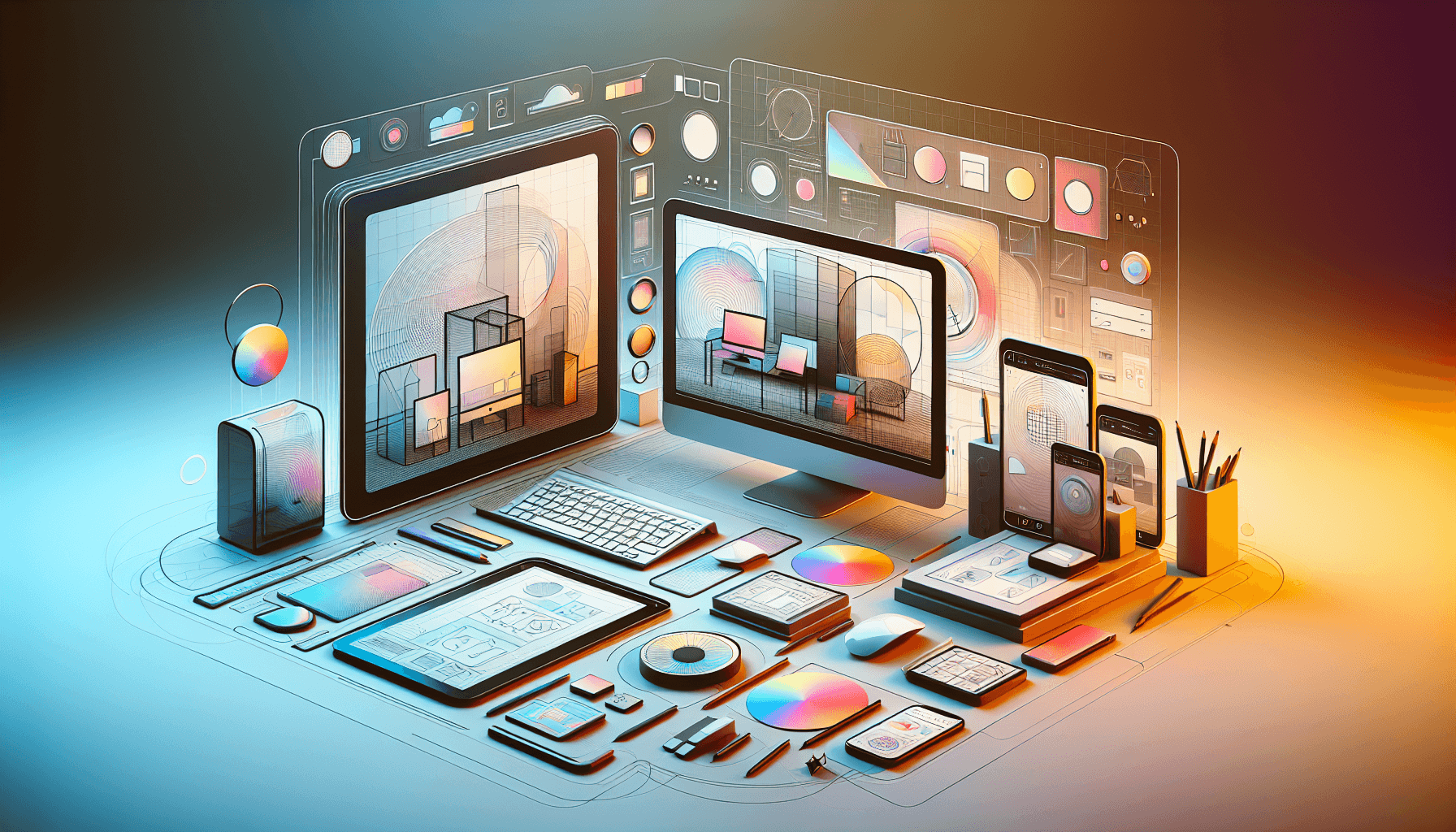
Innovative Design Thinking: Apple's Approach to Problem Solving
Exploring Apple's design methodology for innovative problem-solving
The Journey of Apple's Iconic Design Process
Apple Inc., renowned for its sleek and innovative products, stands as a testament to the power of design thinking in problem-solving. The company's approach to product design has revolutionized how we interact with technology, offering invaluable insights into innovative methodologies that transcend industries.
Historical Context: The Rise of Apple's Design Ethos
The late 1990s marked a pivotal era for Apple. Under Steve Jobs' leadership, the company faced the challenge of revitalizing its brand and product line. This period saw the birth of the iMac, iPod, and eventually, the iPhone. Apple's design ethos, driven by a deep commitment to simplicity and user experience, became the cornerstone of its success.
Central to Apple's philosophy was the belief that design transcends aesthetics; it embodies functionality and user interaction. Jony Ive, then Chief Design Officer, emphasized that "design is the fundamental soul of a human-made creation that ends up expressing itself in successive outer layers of the product or service" (paraphrased from Apple sources).
The Design Thinking Approach
Apple's design process is rooted in design thinking, a methodology focused on understanding the user's needs and creating solutions that address real-world problems. This approach involves a series of iterative steps that include:
- Empathy and User Research: Apple prioritizes understanding the user's experience. Designers and engineers engage in comprehensive research to uncover user pain points, ensuring that they design products that truly solve user problems.
- Ideation and Concept Development: Once user needs are identified, the team brainstorms and develops multiple concepts. This stage involves a balance of creativity and feasibility, generating ideas that push the boundaries of conventional thinking.
- Prototyping and Testing: Apple's iterative prototyping stage allows for the testing of ideas in real-world scenarios. Feedback loops are critical, enabling the refinement of concepts based on user interaction and feedback.
- Implementation and Launch: The design process culminates in the final product, which embodies Apple's commitment to excellence in both form and function. The launch of a new product, such as the iPhone, often redefines market expectations and sets new standards.
What Sets Apple's Approach Apart?
Apple's approach is distinctive due to its unwavering focus on the user experience and its iterative process that integrates feedback at every stage. Unlike traditional product development, which may prioritize technical specifications, Apple's methodology prioritizes end-user interaction and satisfaction.
This user-centric focus ensures that Apple products are intuitive and accessible, even to those with minimal technical expertise. The company's commitment to minimalism, evident in its design, fosters products that are not only functional but also aesthetically pleasing.
Transferable Principles for Innovative Problem-Solving
The principles underlying Apple's design thinking can be applied beyond product design, offering valuable lessons for solving complex problems across various domains:
- Empathy: Prioritize understanding the needs and challenges of the end-user. Empathy-driven solutions are more likely to address the root causes of problems effectively.
- Iterative Process: Embrace an iterative approach that allows for constant refinement and improvement. Regular testing and feedback loops are essential for innovation.
- Cross-disciplinary Collaboration: Foster collaboration across different skill sets and perspectives. Diverse teams can generate more creative and comprehensive solutions.
- Simplicity and Clarity: Strive for simplicity in design and functionality. Clear, straightforward solutions are often more effective and user-friendly.
Concluding Thoughts: Apple's Legacy in Problem-Solving
Apple's design philosophy exemplifies how innovative problem-solving can transform industries. By focusing on user-centric design and a systematic, iterative process, Apple has consistently redefined technological standards.
For problem solvers across the globe, Apple's approach offers a blueprint for addressing complex challenges with creativity and precision. Whether designing a product, developing a service, or tackling societal issues, the principles of empathy, collaboration, and simplicity provide a robust foundation for innovation.
Apple's journey reminds us that at the heart of every great solution lies a commitment to understanding and improving the human experience.
Written by
Kaairo TeamExpert insights on AI-powered problem-solving assessments and innovative hiring practices.
Learn more about us →Related Articles

Design Thinking in Healthcare: A Global Perspective
Discover how design thinking revolutionizes healthcare with systematic innovation, enhancing delivery and patient outcomes globally.

Design Thinking in Healthcare: A Global Case Study
Explore how design thinking in Zambia's healthcare system redefined patient care, offering transferable skills for global problem-solving.

Cross-Cultural Innovation: Lessons from the Grameen Bank
Discover how the Grameen Bank's microfinance model showcases a systematic, cross-cultural approach to innovation. Learn transferable problem-solving skills.
Ready to Test Your Problem-Solving Skills?
Take the Kaairo daily challenge and discover how you compare to thousands of problem solvers worldwide.
Start Today's Challenge