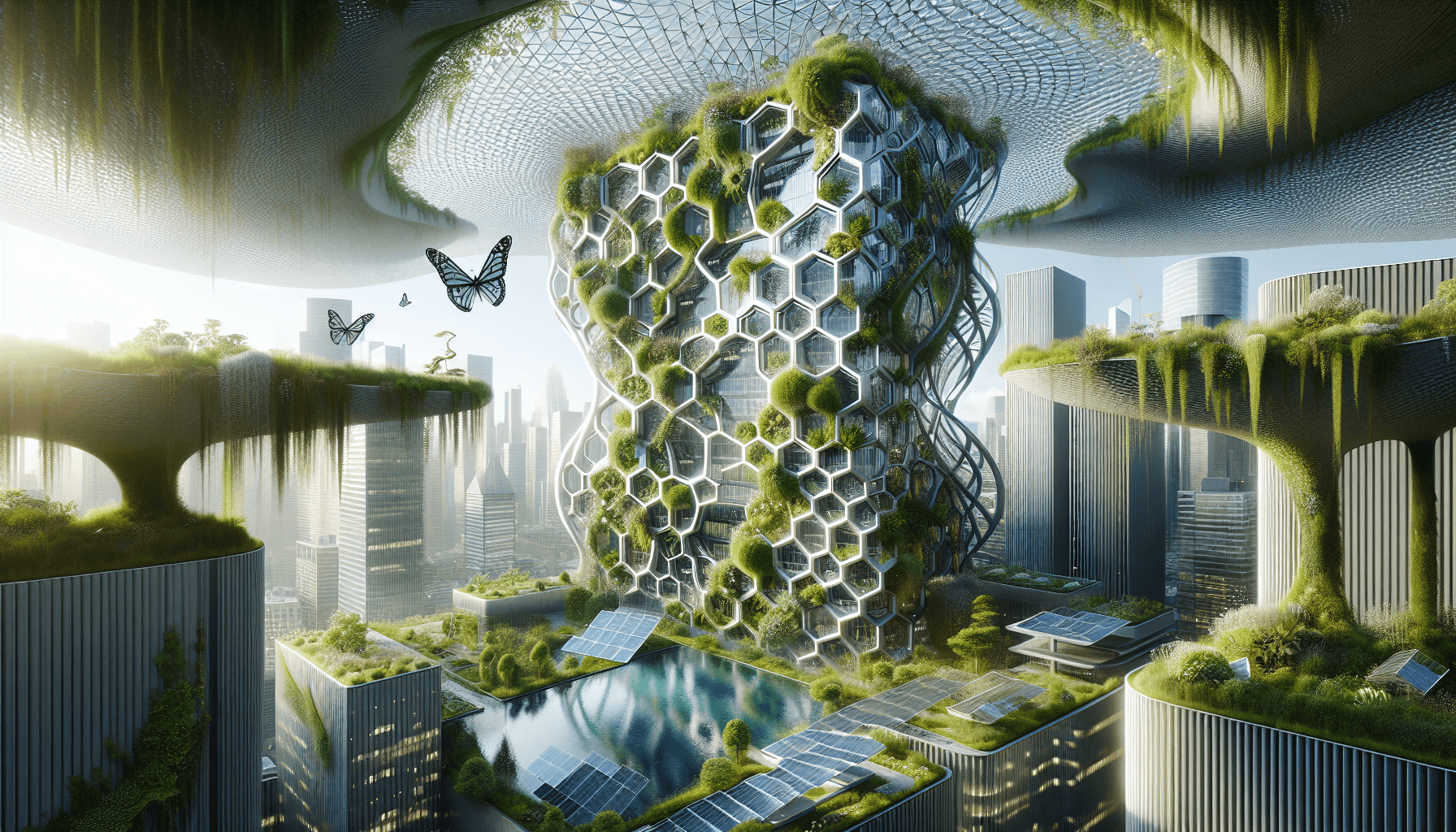
Biomimicry: Nature's Blueprint for Innovative Design
Exploring how nature inspires sustainable solutions in technology and design
Introduction
Biomimicry is a transformative approach that looks to nature for inspiration in solving human challenges. This practice involves studying nature's models, systems, and processes to create innovative solutions that are both sustainable and efficient. As businesses and researchers aim for more sustainable practices, biomimicry offers a blueprint grounded in billions of years of evolutionary success.
The Principles of Biomimicry
Biomimicry relies on three core principles: emulating, reconnecting, and creating conditions conducive to life. Emulating involves studying nature's designs to create solutions that are efficient and sustainable. The butterfly's wings, for instance, have inspired self-cleaning surfaces, mimicking their ability to repel water and dirt.
Reconnecting emphasizes the need for humans to view themselves as part of nature, not separate from it. This shift in perspective can drive more eco-friendly decisions across industries. Lastly, creating conditions conducive to life ensures that human designs support life rather than harm it. This aligns closely with sustainable development goals.
Biomimicry in Action
Architecture and Urban Design
In architecture, biomimicry has led to groundbreaking designs. The Eastgate Centre in Zimbabwe, for example, utilizes a cooling system inspired by termite mounds. This design reduces the building's energy consumption significantly, demonstrating biomimicry's potential to reduce energy costs.
The Lotus Temple in India is another example, where the building's design mimics the lotus flower, allowing natural light to illuminate its interior. This architectural marvel combines aesthetic appeal with functional efficiency, showcasing how biomimicry can enhance urban spaces.
Technology and Engineering
Biomimicry is also making a mark in technology. The bullet train in Japan, inspired by the kingfisher's beak, is a prime example. This design reduced noise and increased speed, illustrating how nature can inspire engineering solutions. Check out our article on Innovative Human Factors Engineering in Nuclear Safety for one such solution.
In the realm of robotics, scientists have developed drones inspired by the flight patterns of birds and insects. These drones exhibit enhanced maneuverability and energy efficiency, proving the value of nature-inspired designs in technological advancements.
Healthcare and Medicine
In healthcare, biomimicry is influencing drug delivery systems and medical devices. By studying how plants deliver nutrients and how animals heal, researchers are developing innovative drug delivery mechanisms that enhance treatment efficacy. One notable example includes bio-inspired drug delivery systems.
Additionally, materials inspired by marine organisms are being used to create biocompatible medical implants. These innovations underscore the potential of biomimicry in improving healthcare outcomes.
Environmental Solutions
Biomimicry offers promising solutions for environmental challenges. By mimicking the water collection methods of desert beetles, researchers have developed efficient water-harvesting systems. These innovations have the potential to address water scarcity in arid regions biomimicry water harvesting technologies.
Another environmental application includes designing materials that mimic the photosynthesis process. Such materials can potentially transform solar energy technologies, making them more efficient and sustainable.
Challenges and Considerations
While biomimicry offers numerous benefits, there are challenges in its application. Translating natural processes into human-made solutions requires interdisciplinary collaboration and significant research. Additionally, ethical considerations must be addressed to ensure that biomimicry respects and preserves natural ecosystems.
Investments in research and development are crucial to overcome these challenges. Businesses and governments need to support biomimicry projects that align with sustainability goals. We similar cover How to Optimize Talent Screening for Faster Hiring.
Future Prospects
Looking ahead, the potential for biomimicry to transform industries is immense. As technology evolves, the integration of biomimicry into the design process will likely become more sophisticated. The continued exploration of nature's genius can lead to innovations that benefit both humanity and the planet.
Educators and organizations have a role to play in promoting biomimicry. By incorporating it into curricula and business strategies, they can foster a generation of designers and engineers who prioritize sustainability.
Conclusion
Biomimicry represents a harmonious blend of biology and human innovation. It challenges us to reimagine the relationship between humans and nature, offering solutions that are not only innovative but also sustainable. As society moves forward, the lessons from nature will continue to inspire groundbreaking designs that address the complex challenges of our modern world.
Written by
Kaairo TeamExpert insights on AI-powered problem-solving assessments and innovative hiring practices.
Learn more about us →Related Articles
Biomimicry in Engineering: The Shinkansen Bullet Train's Inspiration from Nature
Biomimicry in engineering leverages nature's solutions to solve human challenges. Explore the methodology behind this innovative approach.

Innovative Problem Solving Through Open Source Collaboration
Discover how open source collaboration drives innovation worldwide, focusing on systematic approaches and transferable skills.
Circular Economy Innovations: A Global Case Study on Systematic Solutions
Discover a global case study on systematic solutions in the circular economy, showcasing innovative problem-solving techniques.
Ready to Test Your Problem-Solving Skills?
Take the Kaairo daily challenge and discover how you compare to thousands of problem solvers worldwide.
Start Today's Challenge